The Best Trees for Yakima's Climate: Thriving in the Arid Landscape
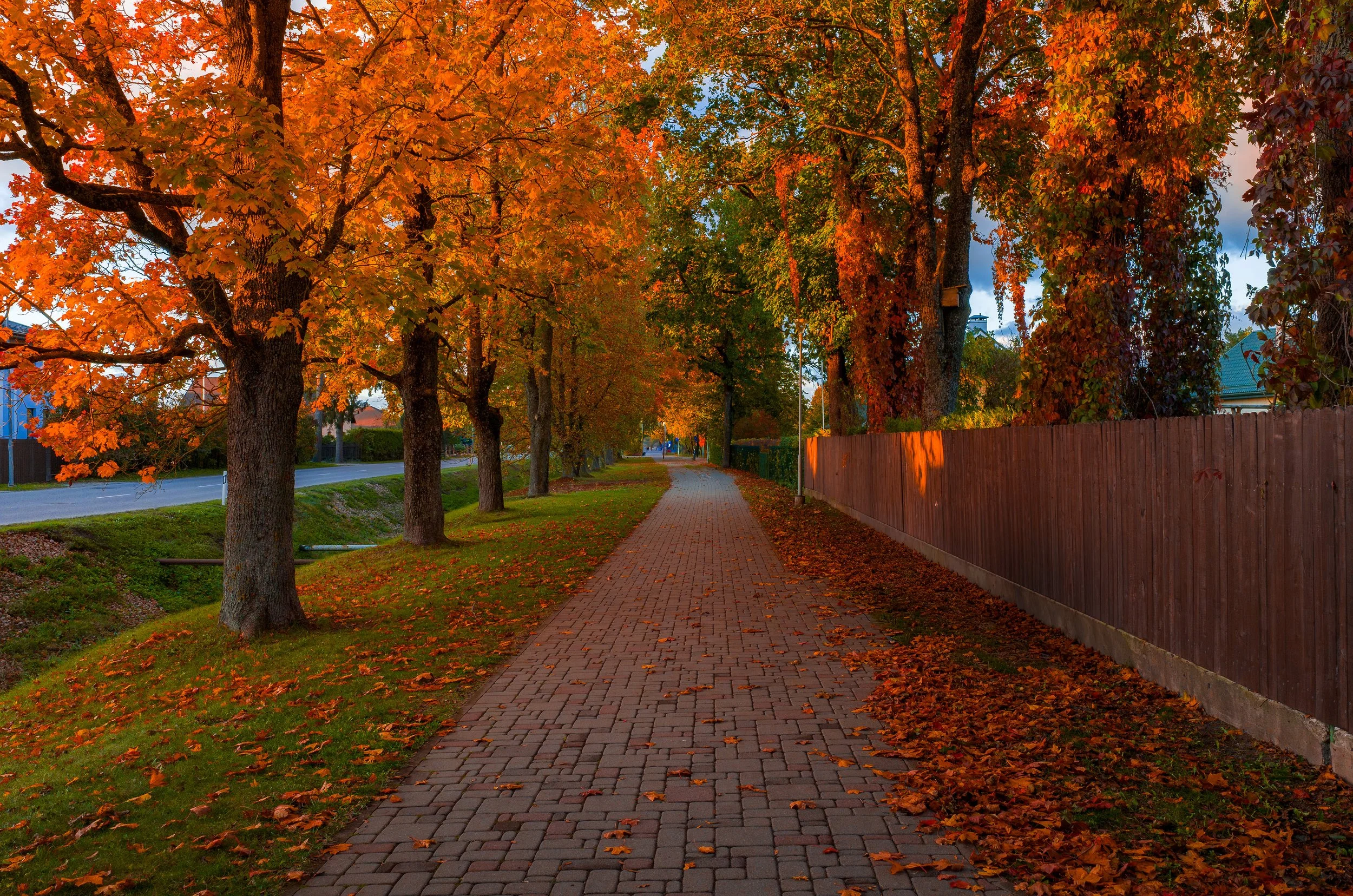
Choosing the right trees for your property in the Yakima, Washington area is about more than just aesthetics. It's about selecting species that can withstand our unique climate, from hot, dry summers to cold winters. The right choice ensures a beautiful and healthy tree for years to come, while a poor one can lead to costly and frustrating problems down the road.
At Big R Tree Service, we've seen firsthand which trees flourish in the Yakima Valley and which ones struggle. Here is a guide to some of the best trees for our region, along with tips on how our services can help you maintain them.
Hardy Deciduous Trees for Shade and Beauty
Deciduous trees are a great option for providing essential shade during the summer and allowing sunlight to warm your home in the winter.
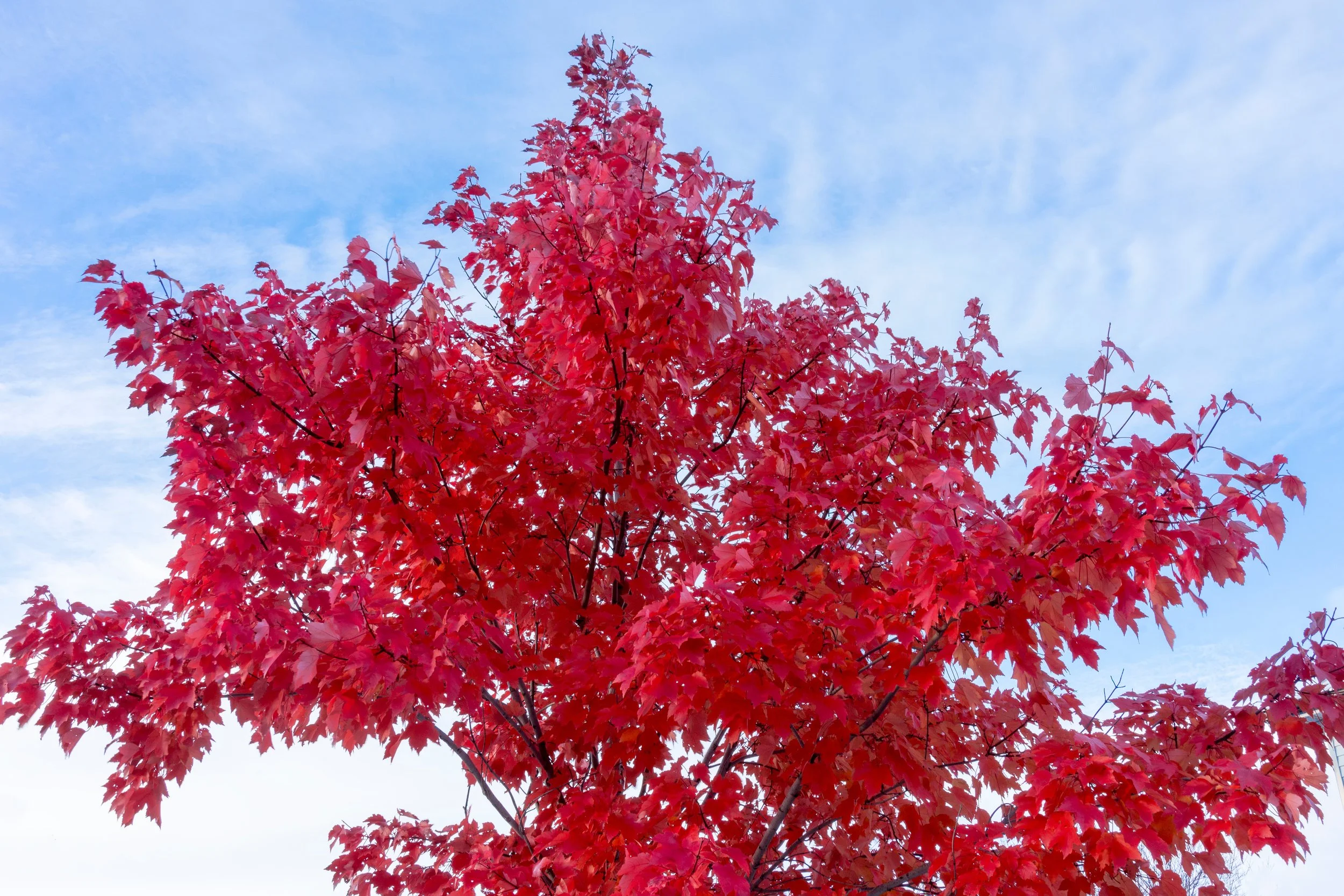
● Maples: Certain varieties of maple, such as the Autumn Blaze Red Maple and the Red Sunset Maple, are not only stunning in the fall but also highly tolerant of our climate. These cultivars are known for their vibrant autumn color and quick growth. However, it's important to plant them away from sidewalks and foundations, as some maples have vigorous, shallow root systems that can cause damage over time. If a maple is planted in the wrong spot, it may eventually require professional Proper Pruning & Removal to manage its size or prevent property damage.
● Oaks: While they are slower to establish, oaks like the Oregon Oak (a local native) or the Bur Oak are incredibly resilient. Once established, they are highly drought-tolerant and offer tremendous shade and longevity, making them a true investment in your property's future.
Planting Smart: Choosing the Right Tree for Your Needs
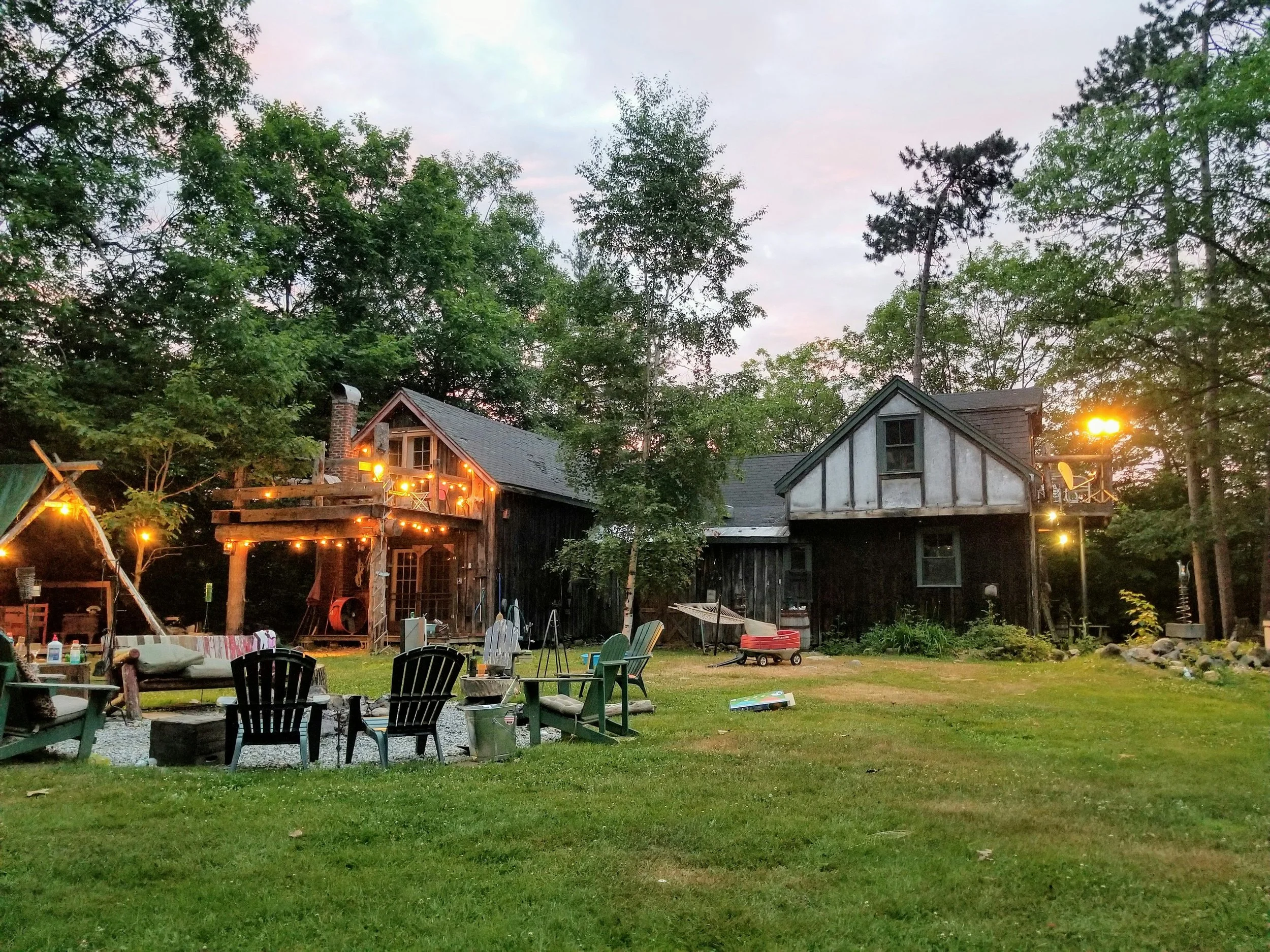
Choosing the right tree for your needs is the critical first step in establishing a healthy, long-lasting landscape. A poor choice can lead to a host of problems, including aggressive root systems that damage property or a tree that simply cannot handle the rigors of our Yakima climate.
1. Assess Your Site Conditions and Needs
Before falling in love with a tree's colorful foliage, you must understand your planting location. The success of your tree depends on matching its needs to your site:
● Climate and Hardiness Zone: Start by choosing species that are known to thrive in the Yakima Valley, which is categorized under specific USDA Hardiness Zones.
● Available Space: This is the most common mistake! Measure the width and overhead clearance you have, and choose a tree that will comfortably fit its mature height and spread without interfering with power lines, buildings, or the foundation of your home.
● Sun Exposure & Soil: Evaluate how much sun the area receives (full sun, part shade) and determine your soil type (sandy, loamy, or clay) and drainage. Different trees have very specific requirements.
● Desired Function: What is the tree's job? Do you need shade for cooling your home, a privacy screen (evergreen), seasonal beauty (flowering/fall color), or food/habitat for wildlife?
Pro-Tip: Choose Native Species. Native trees are already adapted to local conditions, require less maintenance, and naturally support local wildlife, giving them the best chance to flourish.
2. Addressing the Replanting Challenge (The Old Stump Location)
If you are planting a new tree where an old stump was removed, you must take extra precautions to ensure its success:
● Wait and Recover: If the stump was only ground down, experts suggest waiting one to two years before replanting in the exact spot. The remaining wood chips and decomposing roots can temporarily deplete the soil of nitrogen, a vital nutrient for a new sapling.
● Alternative Location: If you must plant sooner, choose a spot at least 10 feet away from the old stump area to avoid root competition and nutrient-depleted soil.
● Soil Preparation: Before planting, prepare the site by removing most of the old wood chips and incorporating fresh topsoil and organic matter like compost. A soil test can help you identify and correct any nutrient or pH imbalances left by the old tree.
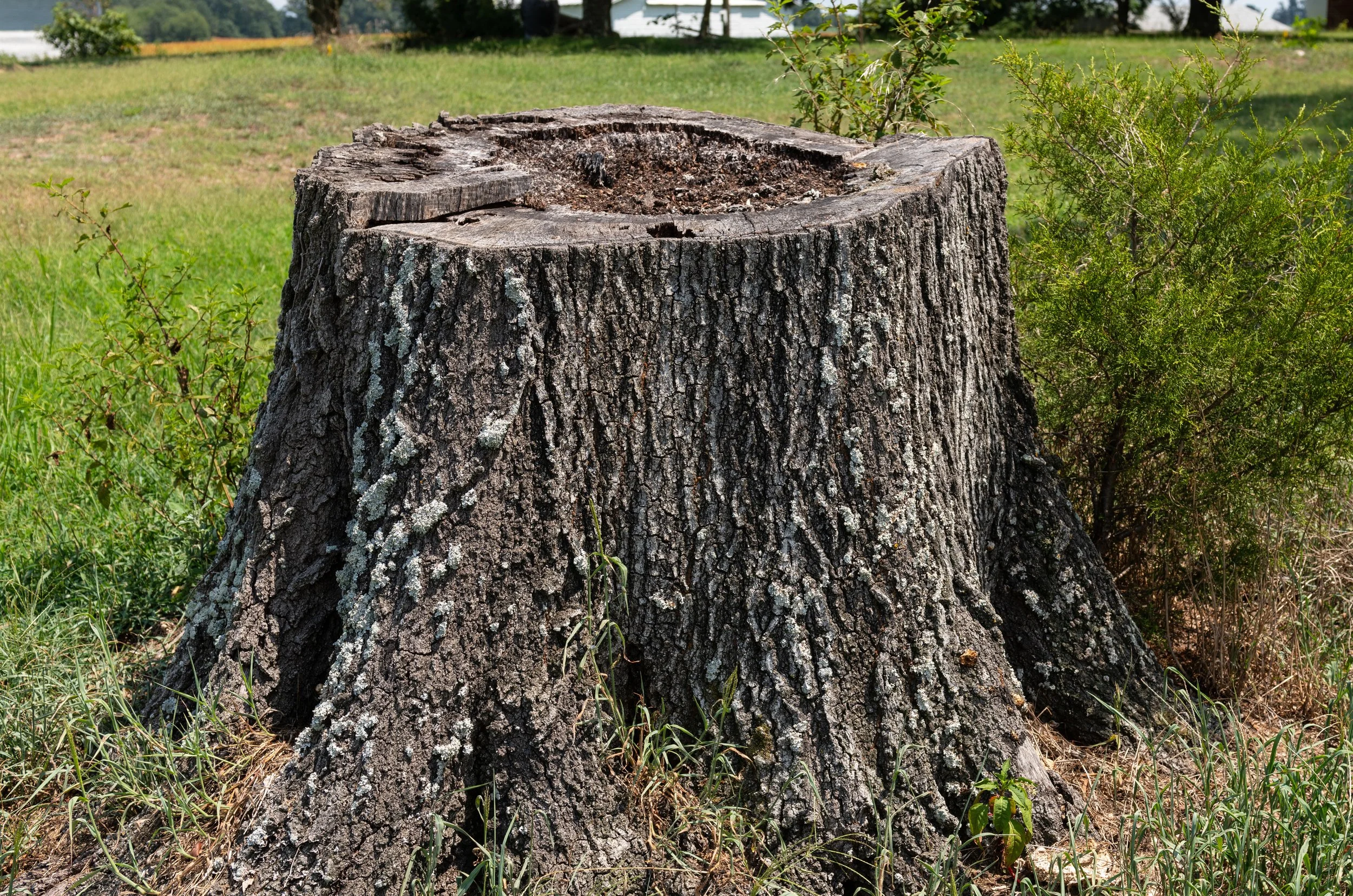
Stump Strategy: Clearing the Way for a New Beginning
When a tree is removed, the remaining stump can be more than just an eyesore; it can pose several problems for your landscape and home. Getting rid of unwanted stumps is a critical step for a healthier, safer property and is essential if you plan to replant.
Why Stump Removal is Essential:
● Eliminates Safety Hazards: Stumps are a major tripping hazard for family and guests, and they can cause costly damage to lawnmowers and other equipment.
● Prevents Pest and Disease Infestations: Decaying wood is a magnet for pests like termites, ants, beetles, and certain fungi. Removing the stump eliminates a potential breeding ground that could spread infestations to your home or other healthy trees. Read our blog on how to spot pests and disease.
● Reclaims Your Space: A removed stump frees up valuable real estate in your yard, creating a clean slate for a new garden, lawn, or, most importantly, a new tree.
● Stops Unwanted Regrowth (Suckers): If not removed properly, the roots of the old tree still have stored energy and may try to sprout new, unsightly growth.
Stump Grinding vs. Complete Removal
The decision between stump grinding and complete removal depends on your future plans for the space. Stump grinding involves using a specialized machine to shred the stump into wood chips, typically 4 to 18 inches below the soil surface. This is the quickest and most cost-effective option for clearing the surface for grass or a garden bed that isn't directly on the spot.
However, if you plan on replanting a new tree in the exact same location, you will need complete stump removal. This more intensive process involves excavating the entire stump and the majority of its root ball. While it leaves a larger hole to fill, it is the only way to ensure no competition from the old, decaying root system, giving your new tree the best chance to thrive.
Understanding the Risks: Trees to Plant with Caution
Just as some trees are a perfect fit, others can be problematic in our climate. While popular, certain species like some cottonwoods or poplars can have aggressive roots and a high water demand, making them a poor choice near homes and septic systems. Planting a tree that's not right for your yard can lead to eventual removal. Our Tree Removal (Shrubs & Lot Clearing) service is often a solution when a tree has become too large, diseased, or simply a hazard.
Professional Help Makes All the Difference
Choosing the right tree is the first step, but proper care is just as important. For any tree removal needs, our team handles the job safely and efficiently. Our Stump Removal service can help you completely clear the area for a fresh start, ensuring the space is ready for a new purpose. And in the event of a storm or unexpected failure, our Emergency Services are available to respond quickly, including Snow Removal to prevent damage from heavy loads on limbs.
Remember, the right tree in the right place can increase your property value and provide beauty for generations. To help your new tree get a good start, we recommend mulching with Free Wood & Wood Chips. This helps retain moisture and protect the root system.
Contact us today to discuss your landscaping plans or for a professional assessment of your trees. We're here to help you cultivate a beautiful and safe environment on your property.