2025 Washington Fall Tree Care Checklist: 10 Essential Tasks for Yakima Homeowners

As the vibrant colors of autumn begin to spread across the landscape, it's a perfect time to prepare your trees for the coming winter. The colder months in the Yakima, Washington area can be tough on trees, but a few proactive steps can ensure they remain healthy and strong, ready to thrive again in the spring.
At Big R Tree Service, we understand the unique challenges our local climate presents. We've put together a checklist of crucial tasks to help you protect your green investments. Following these steps can prevent future problems and maintain the beauty and safety of your property.

1.Pruning for Health and Safety
Fall is an ideal time for Proper Pruning & Removal. As trees enter a dormant state, they are less stressed by pruning. By removing dead, diseased, or damaged branches, you help the tree redirect its energy toward healthy, new growth. This also eliminates limbs that could pose a safety risk during winter storms, heavy snow, or strong winds.

2.Inspect for Pests and Disease
Before the cold sets in, take a close look at your trees for any signs of pests or disease. Look for unusual spots on the bark, early yellowing leaves, or fungal growth at the base of the tree. Early detection is key to preventing widespread issues that could compromise the health of your trees. If you suspect a serious problem, it may require professional Dangerous Tree Prevention & Clearing to stop the spread.
3.Mulch for Insulation
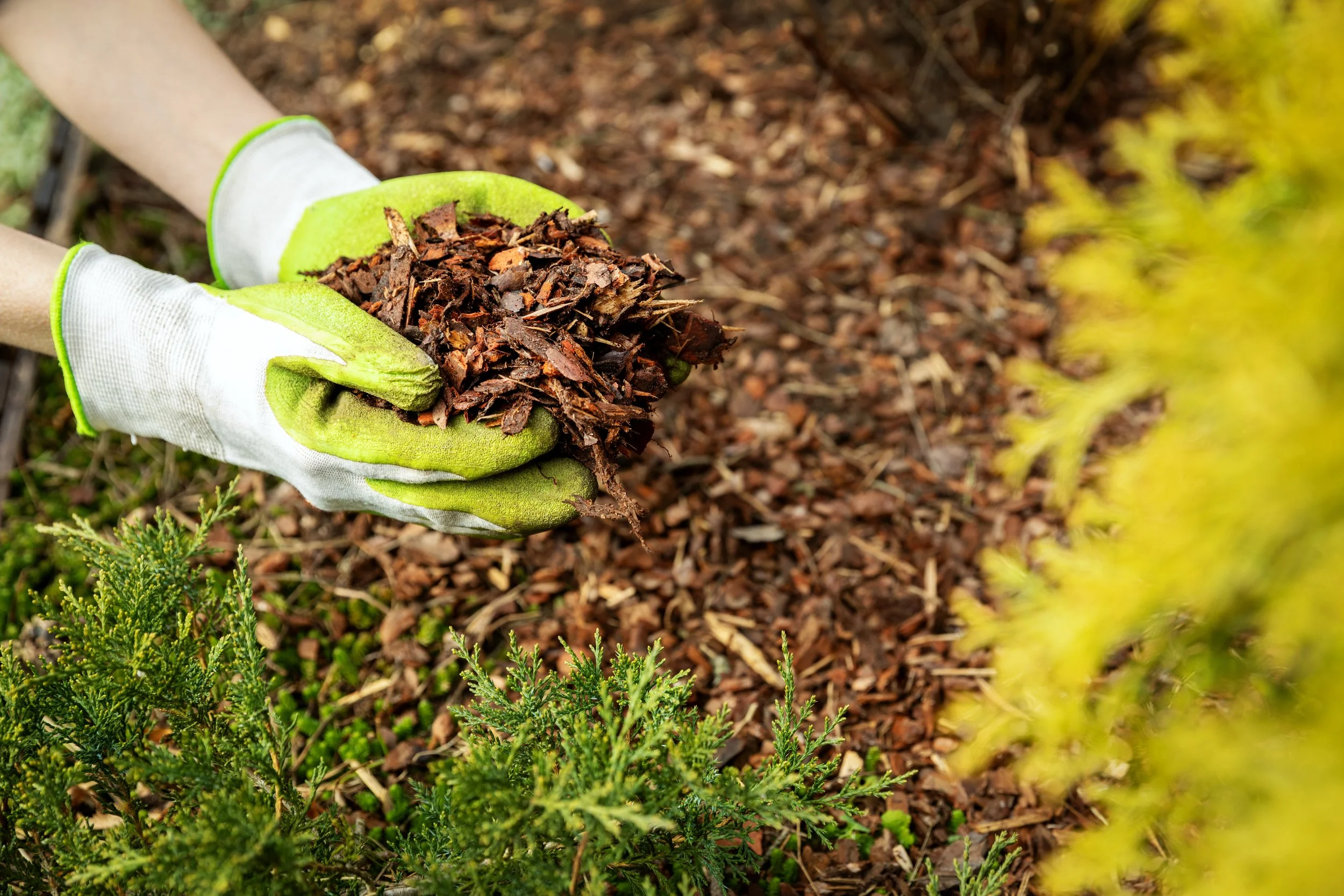
Mulching is an essential fall task that provides numerous benefits. Applying a 2-3 inch layer of organic mulch, such as wood chips, around the base of your trees helps insulate the soil, retaining moisture and protecting the roots from freezing temperatures. It also helps with weed control and enriches the soil as it breaks down. Remember to avoid "volcano mulching" by keeping mulch a few inches away from the tree trunk to prevent moisture buildup and rot. For free wood chips to get started, you can inquire about our Free Wood & Wood Chips service
4. Water, Especially for Evergreens and New Plantings
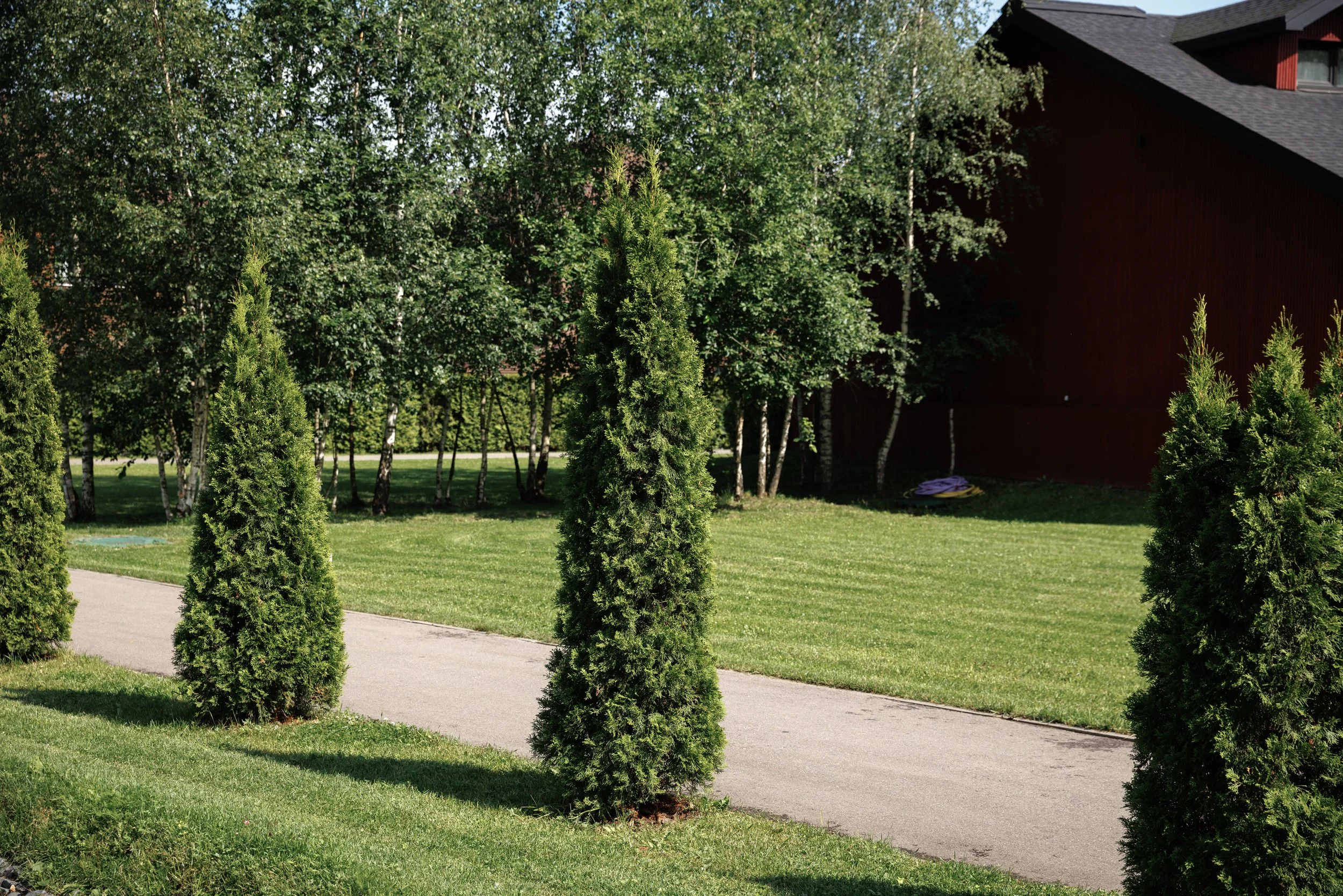
While precipitation increases in the fall, it’s still important to ensure your trees, especially newly planted ones and evergreens, are properly hydrated before the ground freezes. A deep watering in the fall ensures the trees have enough moisture to last through the winter, preventing them from drying out.
5. Remove Dead or Dying Trees
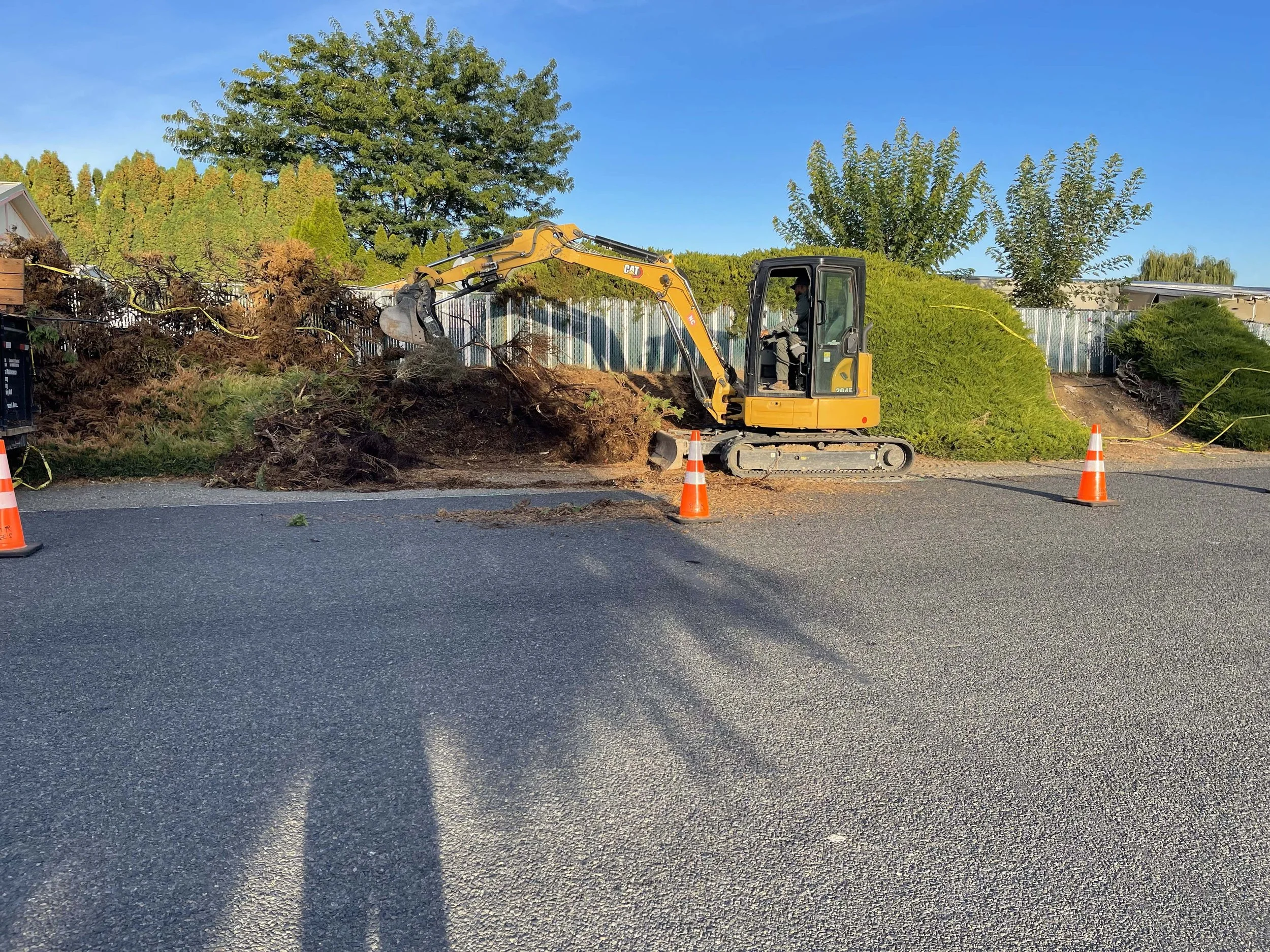
If you have trees on your property that are already dead, dying, or structurally compromised, fall is the perfect time to address them. These trees can become serious hazards during winter storms, potentially damaging your home or other property. A complete Tree Removal (Shrubs & Lot Clearing) is the safest and most responsible option when a tree is beyond saving. In the unfortunate event of an emergency, our Emergency Services team is also ready to help.

6. Address Stumps Left Behind
After a tree is removed, the stump can be an eyesore and a potential home for pests. It can also be a tripping hazard or simply get in the way of future landscaping projects. Once a tree has been taken down, our Stump Removal service can help you completely clear the area, leaving your yard clean and ready for a new purpose.
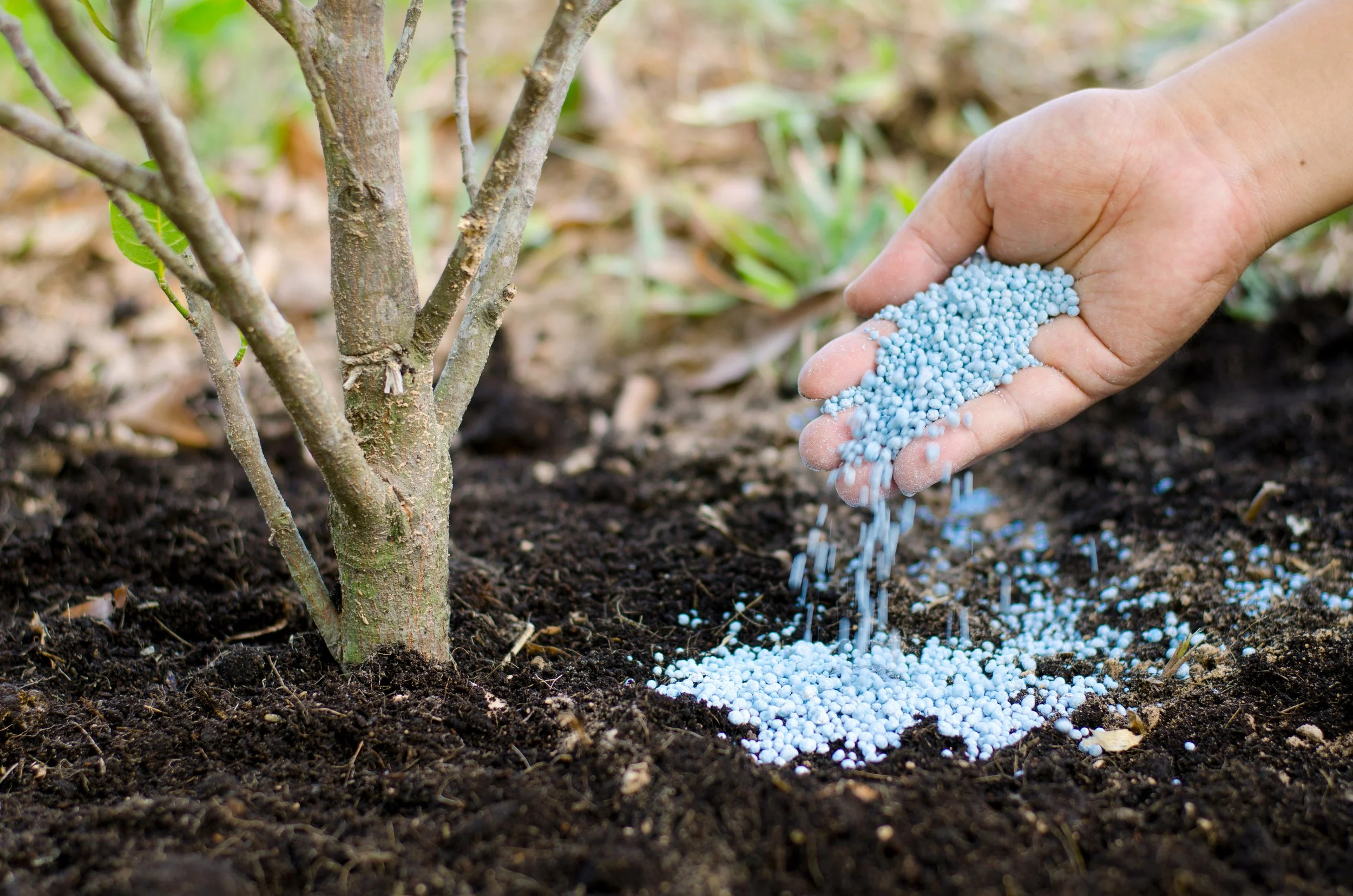
7. Fertilize for Next Year's Growth
Late fall is an excellent time to give your trees a final nutrient boost before winter. Applying a slow-release fertilizer can help replenish nutrients in the soil and promote strong root growth, which will fuel a more vigorous start in the spring.
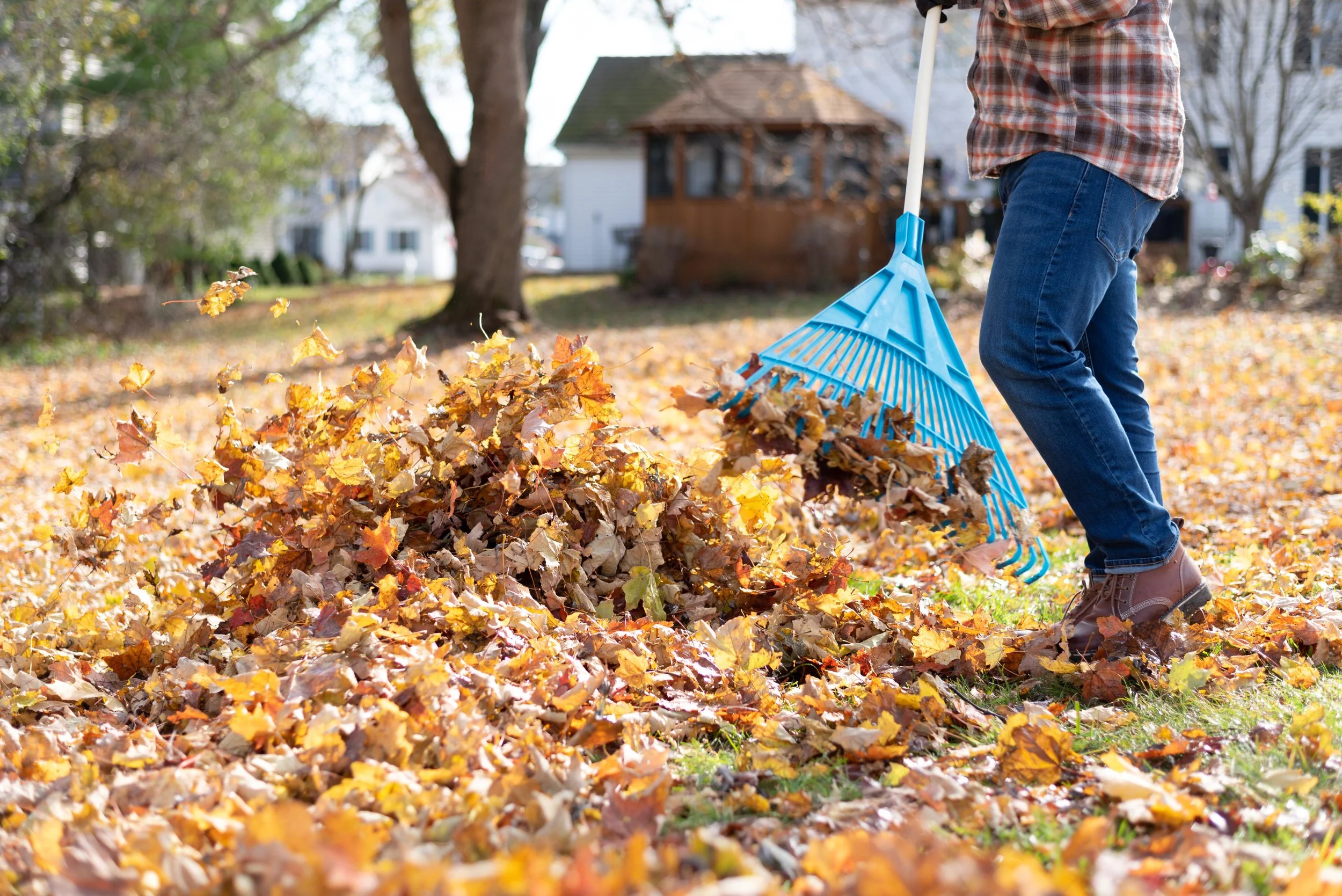
8. Rake Leaves and Debris
While this might seem like a chore, raking up fallen leaves and other debris around the base of your trees is crucial. A thick, wet layer of leaves can become a breeding ground for mold, fungus, and pests that can harm the tree's bark and health. Clearing the area as part of your Tree Removal (Shrubs & Lot Clearing) routine can significantly reduce these risks.
9. Protect Young and Vulnerable Trees
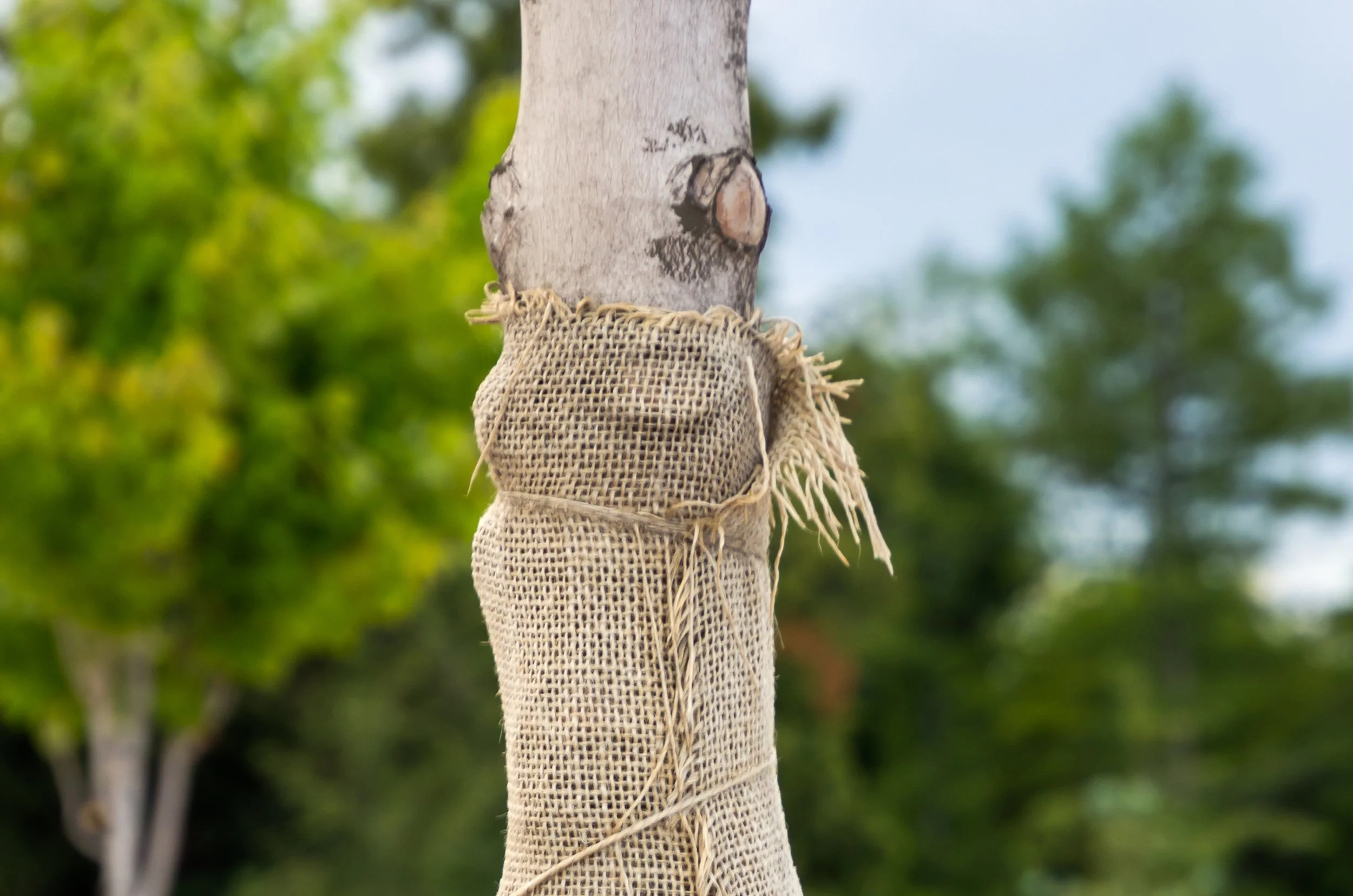
Young trees are especially susceptible to winter damage. Consider wrapping the trunks of young trees with burlap or commercial tree wrap to protect them from sunscald (cracking caused by temperature fluctuations) and to prevent animals from gnawing on the bark.
10. Consider a Professional Tree Health Assessment
While a checklist is helpful, it's not a substitute for the expertise of a professional. If you have an older, valuable, or simply treasured tree, consider having a certified arborist perform a comprehensive health assessment. They can identify subtle issues that you might miss and recommend a long-term care plan.
Don't wait until a problem gets out of hand. Proactive care in the fall can make a world of difference for the health of your trees and the safety of your property. If you have questions or need assistance with any of these tasks, contact Big R Tree Service today for a consultation.
We’re here to help you make informed decisions and provide expert care tailored to your specific needs in Yakima County.