Winter is just around the corner, and if you haven't prepared your yard for colder weather, now is the time to take a closer look at your trees.
For homeowners throughout Yakima, Washington, winter preparation involves more than cleaning up leaves and putting away outdoor furniture. Freezing temperatures, heavy snow, ice, and strong winds can put significant stress on trees, especially those with existing damage or structural weaknesses.
A tree that looks perfectly healthy during the fall may struggle when snow and ice accumulate on its branches. Dead limbs can break, weakened trunks can split, and unstable root systems can make trees more vulnerable to strong winds.
The good news? A little preventative maintenance before winter arrives can help reduce these risks and protect your property.
Whether you've already started preparing your yard or you're squeezing in a few last-minute tasks before the first snowfall, here's what Yakima homeowners should check to help their trees make it through winter safely.
Why Winter Tree Preparation Matters in Yakima
Yakima's seasonal weather can create several challenges for residential trees.
After months of hot, dry summer conditions, some trees enter winter already stressed from limited moisture. Add freezing temperatures, snow accumulation, ice, and strong winds, and existing problems can quickly become more serious.
Winter weather can cause:
Heavy snow to accumulate on branches and cause them to break.
Ice to add weight to already weakened limbs.
Strong winds to damage unstable trees or uproot compromised root systems.
Freezing temperatures to expose existing damage and stress.
Snow and ice buildup to put additional pressure on branches near homes and power lines.
Preparing your trees before severe weather arrives gives you an opportunity to address potential hazards while conditions are more manageable.
1. Inspect Your Trees for Dead or Damaged Branches
Start by walking around your property and looking up at your trees.
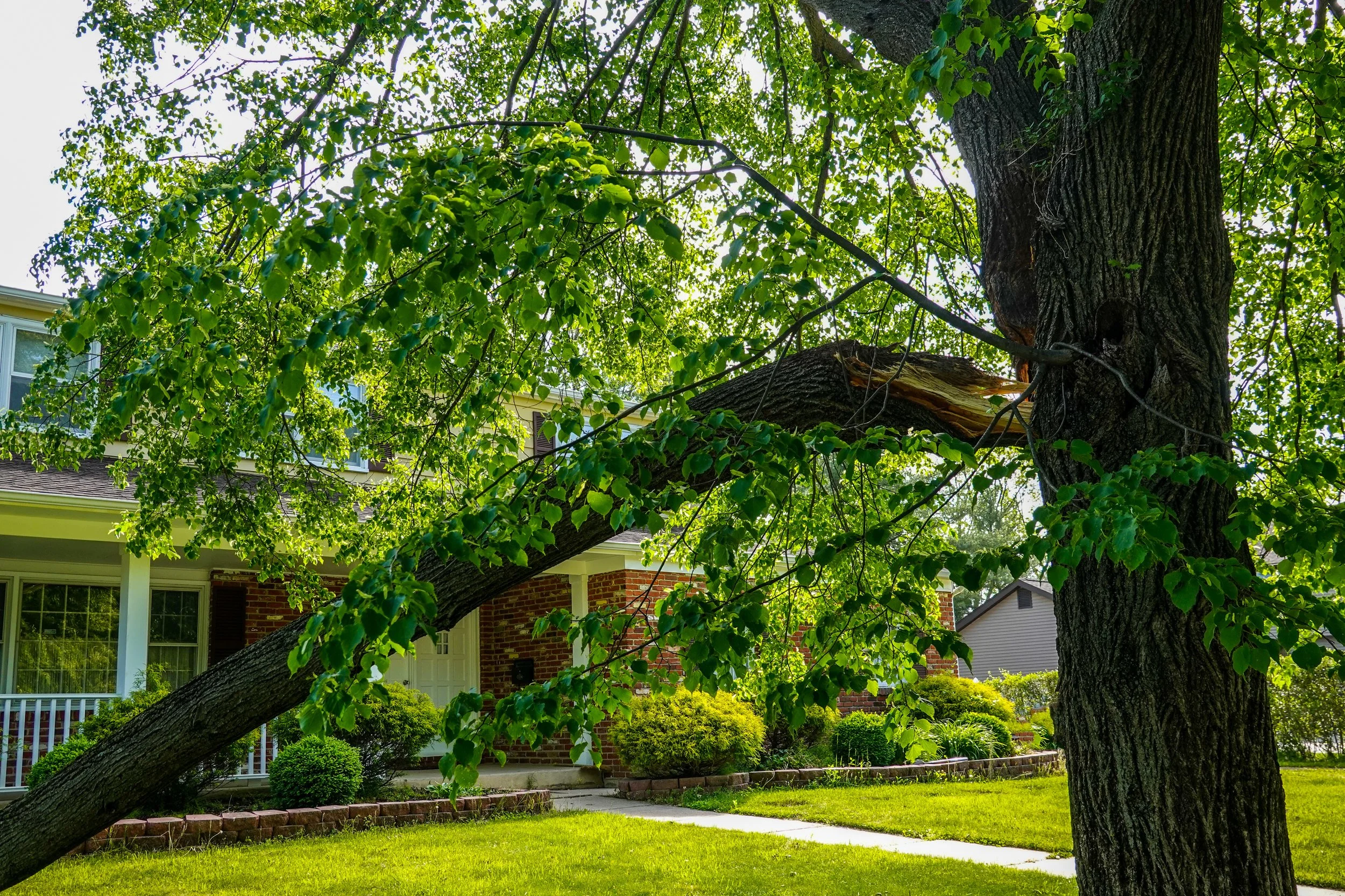
Dead, broken, and partially detached branches are some of the most common causes of winter tree damage. When snow and ice accumulate, these limbs can become too heavy to support themselves and fall without warning.
Pay particular attention to branches hanging over your roof, garage, driveway, vehicles, and walkways.
What to look for:
Large branches without leaves or signs of healthy growth.
Brittle limbs with dry or peeling bark.
Broken branches left behind after previous storms.
Branches hanging unusually low or partially detached.
Deadwood located near your home or other structures.
Removing hazardous branches before winter can reduce the risk of falling limbs and unnecessary property damage.
Professional tree pruning also helps remove damaged growth while preserving the tree's overall structure.

2. Schedule Tree Trimming Before Heavy Snow Arrives
Overgrown trees can create additional problems during winter, particularly when branches grow too close together or extend over structures.
Branches that cross or rub against one another can develop weak spots. Large limbs with narrow attachment points may also struggle under the additional weight of snow and ice.
Take a few minutes to look at the overall shape of your trees.
Check for:
Overgrown branches extending over your roof.
Limbs rubbing against one another.
Heavy branches with weak attachment points.
Uneven growth that creates an unbalanced canopy.
Branches growing too close to power lines.
Proper tree trimming can help reduce these risks by removing problematic growth and improving branch structure.
However, avoid aggressively cutting back healthy branches just because winter is approaching. Excessive pruning can stress trees and create additional problems. A professional can determine which branches need attention and how much pruning is appropriate.
If your trees haven't been maintained in several years, consider scheduling a professional assessment before winter weather makes outdoor work more difficult.
3. Check the Trunk for Cracks, Cavities, and Decay
A tree's trunk provides much of its structural support. Damage in this area can compromise the entire tree, particularly when winter storms put additional pressure on its branches and canopy.
Walk around each tree and inspect the trunk from different angles.
Look for:
Deep vertical cracks or splits.
Large cavities or hollow sections.
Missing or peeling bark.
Soft or decaying wood.
Mushrooms or fungal growth near the trunk.
Areas where large branches connect to the trunk.
Not every crack or cavity means a tree needs removal. However, significant structural damage can make a tree more vulnerable to breaking during severe weather.
If you notice major cracks, extensive decay, or large areas of deadwood, have a professional evaluate the tree before winter arrives.
4. Check the Roots and Ground Around Your Trees
Healthy roots help anchor trees and keep them stable during strong winds.
Unfortunately, root problems aren't always easy to recognize. Construction, soil compaction, erosion, and previous landscaping work can damage roots without creating obvious symptoms above ground.
Yakima's hot, dry summers can also put stress on root systems, making it especially important to check for signs of declining stability.
What to look for:
Exposed or damaged structural roots.
Soil lifting or shifting around the base of the tree.
Cracks in the ground near the trunk.
Mushrooms or fungal growth around the root system.
Signs of erosion or disturbed soil.
A tree that appears to have shifted or started leaning.
If a tree suddenly begins leaning or the soil around its base starts lifting, treat it as a potential safety hazard. Keep your distance and contact a tree care professional.
Avoid cutting exposed roots or covering them with excessive soil. These actions can further compromise the tree's stability.
5. Clean Up Your Yard and Remove Potential Hazards
Before winter arrives, take time to clean up around your trees.
Fallen branches, damaged limbs, and other yard debris can create obstacles and make it harder to identify problems after snowfall.
A little cleanup now can also make spring maintenance easier.
Add these tasks to your winter preparation list:
Remove fallen and broken branches.
Clear deadwood from around your property.
Remove debris that could obstruct walkways.
Check for branches resting against roofs, fences, or other structures.
Inspect trees near driveways and frequently used outdoor areas.
Pay attention to larger fallen branches or sections of trees that may indicate a more serious structural problem.
If you find substantial storm damage or large hanging limbs, avoid trying to remove them yourself. Professional equipment and experience are often necessary to handle these situations safely.
6. Look for Signs of Disease or Summer Stress
Trees that experienced drought, disease, or insect damage during the warmer months may enter winter in a weakened condition.
Some problems become easier to spot in the fall, making this a good time to check for signs that your trees need additional attention.
Watch for:
Unusual branch dieback.
Premature leaf discoloration or dropping.
Fungal growth around the trunk or roots.
Large areas of peeling or missing bark.
Cavities or decaying wood.
Unusual insect activity.
A tree doesn't have to look completely dead to have serious internal damage.
If you notice several of these symptoms, consider having a professional assess the tree's condition. Depending on the problem, pruning, treatment, monitoring, or removal may be necessary.
7. Give Your Trees the Water and Protection They Need
Although Yakima winters bring freezing temperatures, tree care doesn't stop when summer ends.
Trees still need adequate moisture heading into winter, particularly those that experienced drought stress during the warmer months.
If the ground remains dry and unfrozen, watering trees during the fall can help maintain healthy root systems before temperatures drop.
A few things to keep in mind:
Water established trees during extended dry periods before the ground freezes.
Focus watering around the root zone rather than directly against the trunk.
Avoid overwatering or creating standing water around the base.
Add an appropriate layer of mulch around the root zone to help regulate soil temperature and retain moisture.
Keep mulch several inches away from the trunk to prevent moisture buildup against the bark.
Newly planted trees and younger trees may need additional attention as they establish their root systems.
Once freezing temperatures arrive and the ground becomes frozen, adjust your watering routine accordingly.
Last-Minute Tree Care: What to Check Right Before Winter Hits
Already running short on time? You don't need an elaborate landscaping project to give your trees some attention before the first major winter storm.
If winter weather is approaching, prioritize these quick checks:
Your pre-winter tree checklist:
Look for large dead or hanging branches.
Check trunks for major cracks or visible decay.
Look for sudden leaning or disturbed soil around tree bases.
Identify branches hanging over roofs, garages, and driveways.
Check for branches touching or growing too close to power lines.
Clear fallen branches and debris from your yard.
Schedule professional pruning for hazardous or damaged limbs.
Have unstable or severely damaged trees evaluated.
One important reminder: Don't attempt to shake heavy snow or ice from large branches, climb icy trees, or cut down damaged limbs yourself. Branches under tension can move unexpectedly, and icy conditions make tree work especially dangerous.
If you notice a tree leaning suddenly, a hanging limb, or a large crack in the trunk, keep people and pets away from the area and contact a professional.
If branches are contacting power lines, stay clear and contact the utility company.
When Should You Call a Professional Tree Service?
Some winter preparation tasks are easy to handle yourself, but certain tree problems require professional attention.
Consider contacting a tree service if you notice:
Large dead or hanging branches.
Significant trunk cracks or internal decay.
Trees that suddenly begin leaning.
Exposed or damaged structural roots.
Major storm damage.
Branches growing dangerously close to structures or power lines.
Professional tree care can help identify potential hazards before winter weather makes them more difficult to address. In some situations, pruning or trimming may be enough to improve a tree's condition. In others, severe structural damage or root instability may make removal the safest option.
Big R Tree Service LLC helps homeowners throughout Yakima County with professional tree pruning, tree trimming, dangerous tree removal, and emergency tree services.
Get Your Trees Ready Before Winter Arrives
Winter preparation doesn't have to be complicated, but waiting until after the first major snowstorm can make tree problems much harder to manage.
Take time to inspect your trees, remove hazardous branches, check root stability, and address any visible damage before freezing temperatures and strong winds arrive. A little preventative care now can help protect your home, reduce the risk of unexpected tree damage, and keep your property safer throughout the winter months.
If your trees need attention before the next storm, Big R Tree Service LLC is here to help.
Contact Big R Tree Service LLC today to schedule a tree assessment and get your property ready for winter.