Why Are My Tree’s Roots Showing Above Ground? Causes and What Yakima Homeowners Should Do
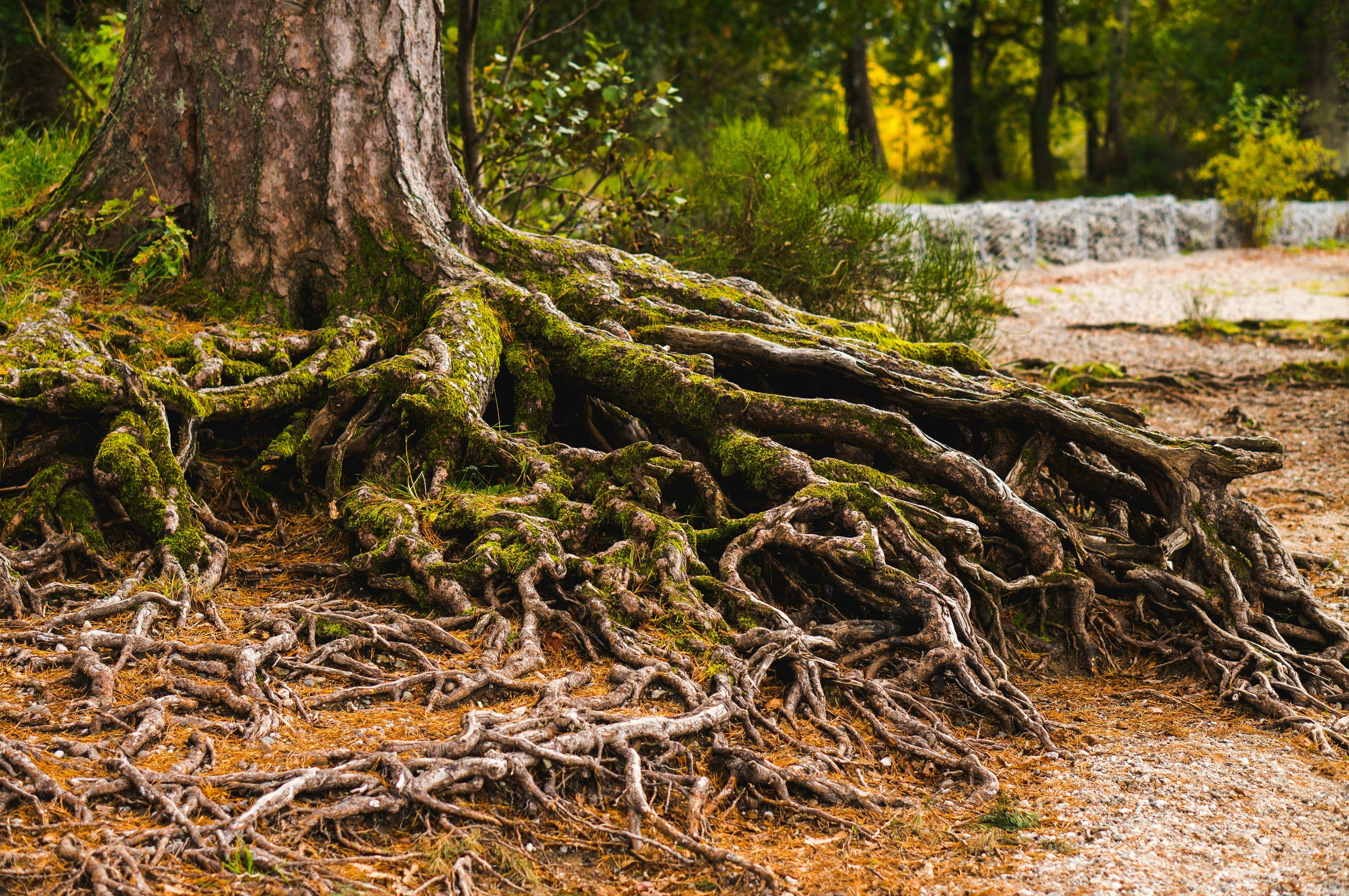
Have you noticed thick roots pushing through the soil around one of your trees?
Maybe you've started seeing roots across your lawn, noticed them near your driveway, or found them exposed after watering or a heavy storm. It can be tempting to assume that something has gone wrong with the tree.
But visible tree roots don't always mean your tree has a serious problem.
Many mature trees naturally develop roots near the soil surface. However, exposed roots can also point to soil erosion, drought, compacted soil, poor planting practices, or changes around the tree.
For Yakima homeowners, understanding the difference matters. Cutting, covering, or damaging exposed roots can create much bigger problems for the health and stability of your tree.
Here's why your tree's roots may be showing above ground, what you should avoid doing, and when it's time to call a professional.
Are Exposed Tree Roots Normal?
In many cases, yes.
A tree's root system doesn't simply grow straight down. Most of a tree's absorbing roots grow horizontally through the upper layers of soil where they can access oxygen, water, and nutrients.
As a tree grows larger, those roots can become thicker and eventually push through the soil surface.
You may notice them around the trunk or extending several feet into the yard.
Some species naturally develop more surface roots than others. Mature trees can also expose more roots as surrounding soil changes over time.
The important question isn't simply "Why can I see the roots?"
Instead, ask:
"Why did these roots become exposed, and does the change indicate a problem?"
That answer depends on the condition of the roots, the surrounding soil, and the overall health and stability of the tree.
1. Soil Erosion Can Expose Tree Roots
One of the most common causes of exposed roots involves soil erosion.
Water can gradually wash soil away from the tree's root zone, especially on sloped properties or areas that receive concentrated runoff.
Once the soil disappears, the roots remain behind.
Yakima's dry climate can contribute to changing soil conditions throughout the year. Irrigation, heavy rainfall events, landscaping, and runoff can all move soil around established trees.
Look for:
Exposed roots that weren't visible previously
Channels or areas where soil has washed away
Roots exposed on sloped sections of your property
Bare soil around the tree
Erosion near irrigation systems or drainage paths
If erosion continues, more of the root system may become exposed.
Addressing the drainage or erosion problem can help protect both the soil and the tree.
2. Yakima's Dry Climate Can Contribute to Surface Root Problems
Yakima's hot, dry summers place significant demands on trees.
When soil remains dry for extended periods, trees compete for limited moisture near the surface. Irrigation can also change how water moves through the soil.
Roots naturally grow toward areas where they can find the resources they need.
That means inconsistent watering can encourage shallow root development, particularly in younger trees.
Over time, those roots may become more visible as the tree and root system grow.
Signs that your tree may also experience drought stress include:
Wilting or curling leaves
Browning leaf edges
Premature leaf drop
Sparse canopy growth
Dead branches
Cracked soil around the tree
Slow or weak new growth
Exposed roots don't necessarily mean the tree lacks water. However, visible roots combined with drought-stress symptoms deserve a closer look.
3. Compacted Soil Can Force Roots Closer to the Surface
Heavy foot traffic, vehicles, construction equipment, and repeated landscaping activity can compact soil.
Compacted soil contains fewer spaces for air and water. Since roots need both oxygen and moisture, compacted conditions can make deeper growth difficult.
The result?
Roots may spread closer to the surface where conditions allow them to survive.
Look for compacted soil around:
Driveways
Walkways
Patios
Parking areas
Frequently used sections of lawn
Construction zones
If you've recently completed construction or landscaping near an established tree, pay particular attention to changes in the tree's canopy and root zone.
Construction can damage roots directly, while heavy equipment can compact the surrounding soil.
4. The Tree May Simply Have Matured
Sometimes there isn't a problem at all.
As trees mature, their trunks and roots increase in size. Roots that once sat comfortably beneath several inches of soil can eventually become visible.
You may notice this most often with large, established shade trees.
A few large surface roots don't automatically indicate poor tree health or instability.
If the tree has maintained healthy growth, the roots remain firm, and the soil around the tree hasn't changed significantly, the exposed roots may simply reflect the tree's natural growth pattern.
The key involves monitoring changes rather than immediately trying to eliminate the roots.
5. Planting Too Deep Can Cause Problems
A tree doesn't have to look dead to have a serious health problem.
Trees can also develop root problems because someone planted them too deeply.
A properly planted tree should have a visible root flare where the trunk begins to widen and transition into the root system.
If soil or mulch covers that flare, the tree may struggle with moisture, oxygen, and bark health around the base.
Homeowners sometimes respond to exposed roots by adding more soil around the tree. Unfortunately, this can create another problem if you bury the trunk or root flare too deeply.
Avoid creating a mound of soil around the trunk.
Instead, maintain a clear transition between the trunk and surrounding soil.
Should You Cover Exposed Tree Roots?
Usually, don't bury them with a deep layer of soil.
Adding several inches of soil over exposed roots can reduce oxygen availability and create moisture problems around the trunk.
It may also encourage roots to grow differently while hiding problems that need attention.
If you want to improve the appearance of exposed roots, a better approach involves protecting the root zone rather than trying to completely hide it.
Organic mulch can help.
Apply a shallow layer of mulch around the tree while keeping it away from direct contact with the trunk.
Avoid "volcano mulching."
Don't pile mulch against the trunk like a volcano.
Instead:
Keep the trunk flare visible
Spread mulch evenly around the root zone
Use a moderate layer
Keep mulch away from the bark
Avoid covering large exposed roots completely
Proper mulching can help retain soil moisture and regulate soil temperature, which can benefit trees in Yakima's hot, dry climate.
Should You Cut Exposed Tree Roots?
Not without professional guidance.
This represents one of the biggest mistakes homeowners can make when dealing with surface roots.
A root may look like an inconvenient obstacle in your lawn, but it plays an important role in supporting the tree and transporting water and nutrients.
Cutting a large structural root can:
Reduce tree stability
Create an entry point for disease
Damage the tree's ability to absorb water
Increase the risk of decay
Cause long-term decline
Increase the risk of tree failure
The closer a large root sits to the trunk, the more important it becomes to leave it alone.
If a root interferes with your driveway, sidewalk, landscaping, or other property feature, don't reach for a saw or axe first.
Have the situation evaluated.
What If Tree Roots Are Damaging My Sidewalk or Driveway?
This situation requires a little more thought.
Tree roots can lift or crack concrete as they grow. However, removing the offending root doesn't always solve the problem.
Cutting the root may destabilize the tree or create health problems.
Instead, homeowners should consider the tree and the property together.
Depending on the situation, possible solutions may include:
Adjusting the surrounding landscape
Rerouting irrigation
Creating a wider planting area
Modifying nearby hardscaping
Using alternative landscaping materials
Pruning roots only when a qualified professional determines it's safe
Removing the tree when the conflict cannot be resolved safely
The right solution depends on the tree's species, size, location, root structure, and the extent of the damage.
When Exposed Roots Become a Safety Concern
Visible roots become more concerning when they appear alongside other signs of instability or declining tree health.
Watch for:
Soil lifting around the tree
Raised or cracked soil can indicate root movement or instability.
A sudden lean
If the tree recently started leaning, root failure could play a role.
Cracked or broken roots
Damaged structural roots can compromise the tree's stability.
Dead branches
Widespread deadwood can indicate declining health or root-related stress.
Fungal growth
Mushrooms near the base can indicate decay in the root system or lower trunk.
Significant soil erosion
Continued erosion can leave more of the root system exposed and vulnerable.
Changes after a storm
If the roots became exposed or the tree shifted after heavy wind, contact a professional before approaching the tree.
Big R's existing guidance on declining trees emphasizes that exposed roots, cracked soil, and sudden leaning can indicate potential root instability.
How Yakima Homeowners Can Protect Exposed Roots
You don't need to panic when you discover surface roots.
Instead, focus on protecting the root zone.
1. Avoid mowing directly over large roots
Repeated impacts from lawn equipment can damage exposed roots and bark.
Create a small planting or mulched area around them instead.
2. Don't park vehicles over the root zone
Heavy vehicles can compact soil and damage roots.
3. Avoid digging near established trees
Before installing fences, irrigation, landscaping, or other structures, consider where the tree's roots extend.
4. Maintain appropriate mulch
A properly applied layer of organic mulch can help protect roots from temperature swings and moisture loss.
5. Water deeply when needed
During periods of prolonged heat and drought, deep and consistent watering can help support tree health.
Focus water around the root zone rather than directly against the trunk.
6. Don't change the soil level dramatically
Adding or removing significant amounts of soil around an established tree can damage the root system.
7. Monitor the tree
Take photos throughout the year.
If exposed roots continue to spread, the tree develops new dead branches, or the soil around the tree changes, you can use those photos to help identify when the problem began.
When Should You Call a Tree Professional?
Call a professional if you're unsure why the roots have become exposed or if you notice other warning signs.
An inspection becomes especially important when:
A large tree has suddenly started leaning
Soil has shifted around the root zone
Large roots have cracked or broken
The tree shows signs of decline
Roots are causing significant property damage
Construction has damaged the root system
You see decay or fungal growth
A large exposed root sits close to the trunk
A professional can evaluate the tree's overall structure instead of looking at the exposed root in isolation.
That distinction matters.
The root may not actually represent the main problem. It could simply be the visible symptom of soil erosion, drought stress, construction damage, or a larger structural issue.
Do Exposed Roots Mean You Need Tree Removal?
Not necessarily.
Seeing surface roots doesn't automatically mean a tree has become dangerous.
Healthy mature trees can live for many years with visible roots.
Tree removal becomes a consideration when the underlying problem creates an unacceptable safety risk—such as severe root failure, advanced decay, significant structural instability, or extensive damage that the tree cannot recover from.
Big R's approach to tree care focuses on evaluating the condition of the entire tree before deciding whether pruning, maintenance, or removal makes sense.
In other words, don't remove a healthy tree simply because you don't like seeing its roots.
Find out what's causing the roots to show first.
The Bottom Line for Yakima Homeowners
Exposed tree roots can look alarming, but they don't always signal a dying or dangerous tree.
Mature trees naturally develop surface roots. Soil erosion, drought, compacted soil, construction damage, and planting conditions can also bring roots closer to the surface.
The biggest mistake involves trying to fix the problem yourself by cutting the roots or burying them under a thick layer of soil.
Instead, protect the root zone, maintain appropriate soil moisture, avoid compaction, and watch for changes in the tree's health or stability.
If you notice sudden root exposure, soil movement, a leaning tree, damaged roots, or other signs of decline, a professional assessment can help you determine what you're actually dealing with.
Have exposed roots appeared around a tree on your Yakima property? Big R Tree Service LLC can evaluate the tree, identify potential hazards, and recommend the safest next step.
From tree pruning and dangerous tree prevention to tree removal and stump removal, Big R Tree Service LLC provides professional tree care for homeowners throughout Yakima County.
Don't cut the roots. Don't bury the problem. Find out what's causing it first.
Contact Big R Tree Service LLC
Need help inspecting roots? Contact Big R Tree Service LLC today for a professional tree assessment.