Is That Tree Actually Dead or Just Stressed? How Yakima Homeowners Can Tell the Difference
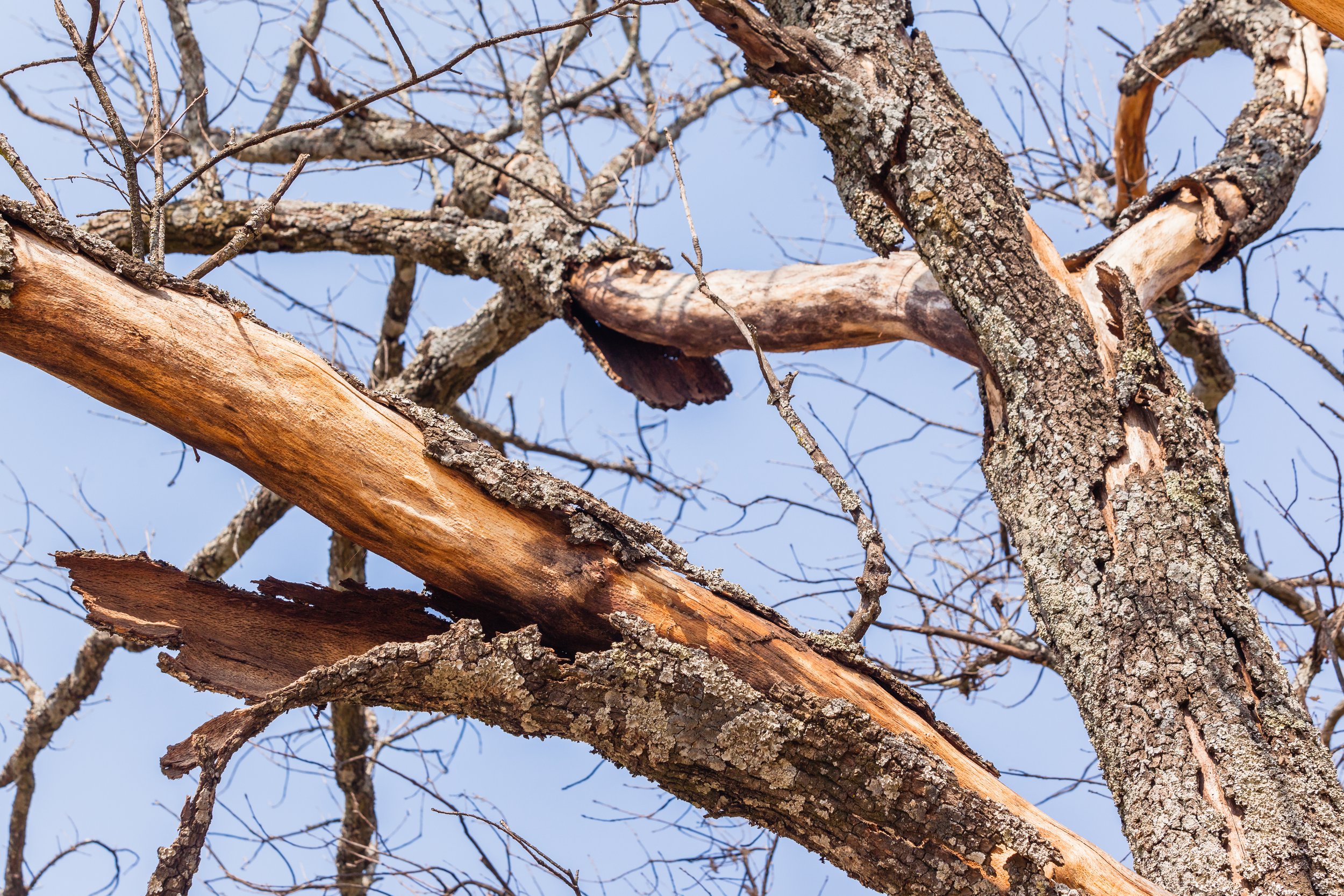
A tree that suddenly drops leaves, develops bare branches, or changes color can alarm any homeowner. But not every unhealthy-looking tree is dead. Many trees in Yakima Washington experience seasonal stress from drought, heat, compacted soil, storm damage, or improper care. Some recover fully with the right treatment. Others continue declining until they become dangerous.
The challenge comes from knowing the difference early enough to act.
Every year, homeowners misdiagnose tree problems. Some remove healthy trees unnecessarily. Others ignore serious dying tree symptoms until limbs fall, roots fail, or the entire tree becomes hazardous.
Understanding how to tell if a tree is dead helps you protect your property, preserve healthy trees, and avoid expensive emergency removals later.
Professional tree evaluations from companies like Big R Tree Service LLC help homeowners throughout Yakima identify structural issues, disease, storm damage, and declining trees before they create major safety risks.
Why Trees Become Stressed in Yakima Washington
Yakima’s climate creates unique challenges for trees. Long dry summers, intense heat, freezing winter temperatures, and seasonal windstorms place continuous stress on both native and ornamental species.
Even mature trees can struggle under these conditions.
Some of the most common causes of tree stress in Yakima Washington include:
Drought and inconsistent watering
Soil compaction
Root damage
Improper tree pruning
Pest infestations
Fungal disease
Construction damage
Overexposure to heat
Snow or storm damage
Poor drainage
Stress weakens a tree’s defenses over time. Once weakened, trees become more vulnerable to decay, insects, and structural failure.
That’s why early detection matters.
How to Tell If a Tree Is Dead
Many homeowners assume a tree is dead the moment leaves disappear or branches stop blooming. In reality, some trees enter dormancy, recover slowly from stress, or leaf out later than expected.
To accurately evaluate a tree, you need to examine multiple signs together rather than relying on one symptom alone.
Here are the clearest indicators homeowners should watch for.
1. Brittle Branches That Snap Easily
Healthy branches usually bend slightly before breaking. Dead branches become dry, brittle, and fragile.
Try the snap test on smaller twigs:
Green inside usually means the branch remains alive
Brown, dry interiors often indicate dead wood
If large portions of the canopy snap easily, the tree may already be in severe decline.
Dead limbs also create major safety hazards during Yakima windstorms and winter snow accumulation.
Big R Tree Service LLC provides safe pruning and hazardous limb removal to reduce storm-related risks before branches fail unexpectedly.
2. Peeling or Missing Bark
Bark protects a tree’s vascular system. When bark starts falling away in large sections, the tree often struggles internally.
Some bark loss occurs naturally in certain species. However, large vertical cracks, deep splits, or missing bark patches can indicate severe stress or decay.
If the wood beneath the bark appears dry, gray, or brittle, the tree may no longer transport water and nutrients effectively.
Multiple dead sections around the trunk usually point toward significant decline.
3. No Leaves During Growing Season
One of the most recognizable dying tree symptoms involves missing foliage during active growing months.
Healthy deciduous trees in Yakima should produce leaves during spring and summer. Sparse foliage, delayed budding, or bare upper canopies often indicate stress or root problems.
Pay close attention if:
One side of the tree remains bare
Leaves appear unusually small
Branches fail to bud entirely
The canopy thins rapidly year after year
Sudden canopy loss frequently signals deeper structural or root-related issues.
4. Fungus Growing Near the Base
Mushrooms or fungal growth near the trunk often indicate internal decay beneath the surface.
Fungi thrive on rotting organic material. When they appear around roots or lower trunks, the tree may already suffer from advanced internal deterioration.
Root rot weakens stability dramatically and increases the likelihood of sudden collapse.
This becomes especially dangerous for trees located near homes, fences, driveways, or power lines.
Professional inspections help determine whether the decay remains manageable or requires removal.
5. Large Dead Branches in the Canopy
A few dead branches do not always mean a tree is dying. However, widespread deadwood throughout the canopy signals major stress.
Dead upper limbs often indicate:
Root failure
Disease progression
Water transport problems
Severe environmental stress
Large dead branches also create immediate safety concerns.
Big R Tree Service LLC removes hazardous branches and unstable trees safely while minimizing damage to surrounding property.
6. Leaning or Unstable Trunks
A tree that suddenly begins leaning deserves immediate attention.
Some trees naturally grow at slight angles. However, recent leaning often signals root instability, soil movement, or structural failure underground.
Watch for:
Exposed roots
Cracked soil around the base
Shifting after storms
Visible trunk separation
A leaning tree can fail with little warning, especially during heavy wind or saturated soil conditions.
Emergency tree services may become necessary if the tree threatens nearby structures or roadways.
7. Hollow or Decaying Trunks
Trees can survive with limited internal cavities, but extensive hollow sections reduce structural strength significantly.
Signs of internal decay include:
Large cavities
Soft or crumbling wood
Carpenter ants
Excessive fungal growth
Deep trunk cracks
External appearances can be misleading. Some trees still produce leaves while severe decay spreads internally.
Professional evaluations help determine whether the remaining wood can safely support the tree long-term.
Common Dying Tree Symptoms Homeowners Ignore
Tree decline usually develops gradually. Many homeowners miss early warning signs because the changes happen slowly over multiple seasons.
Some of the most overlooked dying tree symptoms include:
Early Fall Color Changes
Leaves turning brown or dropping prematurely often indicate water stress or disease.
Reduced Leaf Density
Thin canopies usually reflect declining energy production.
Excessive Sprouting at the Base
Stress triggers “sucker growth” as trees attempt survival.
Cracks in Major Limbs
Structural cracks frequently worsen over time.
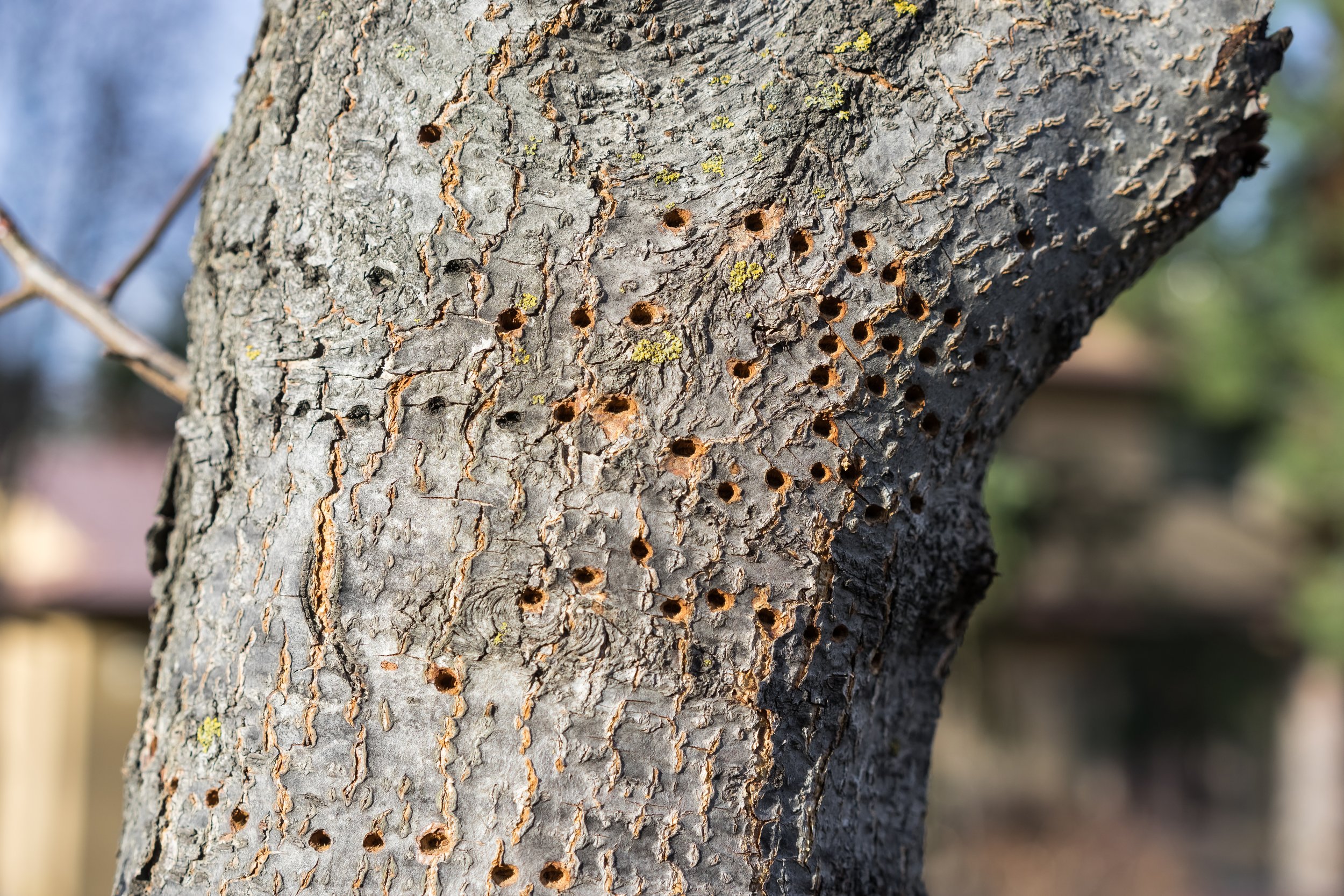
Insect Activity
Wood-boring insects target weakened trees first.
Dead Branches After Winter
Repeated seasonal dieback may signal chronic decline.
Ignoring these symptoms often leads to larger removals and emergency costs later.
Can a Stressed Tree Recover?
Yes, many stressed trees recover when homeowners address the underlying issue early.
Recovery depends on:
Tree species
Age
Extent of damage
Root health
Structural stability
Environmental conditions
Some trees simply need:
Correct watering
Soil improvement
Mulching
Strategic pruning
Pest management
Others decline beyond recovery despite intervention.
The key lies in proper diagnosis.
Big R Tree Service LLC helps Yakima homeowners evaluate tree health and determine whether pruning, treatment, maintenance, or removal makes the most sense for long-term safety and property value.
Why Improper Pruning Makes Tree Problems Worse
One of the biggest mistakes homeowners make involves aggressive or improper pruning.
Poor pruning weakens trees instead of helping them recover.
Common mistakes include:
Topping trees
Removing too much canopy
Cutting limbs incorrectly
Pruning during extreme heat
Using dull tools
Damaging bark collars
Improper cuts create entry points for disease and insects while placing additional stress on already struggling trees.
Professional pruning focuses on structural integrity, airflow, weight reduction, and long-term health rather than quick cosmetic shaping.
When Tree Removal Becomes the Safest Option
Not every declining tree can be saved safely.
Removal may become necessary when:
More than 50% of the tree has died
Root systems fail
Severe decay compromises stability
Storm damage becomes extensive
Large limbs threaten structures
Disease spreads aggressively
Dead or unstable trees create serious liability risks for homeowners.
Falling branches can damage:
Roofs
Vehicles
Fences
Power lines
Neighboring properties
Complete tree removal eliminates those hazards before emergencies occur.
Big R Tree Service LLC provides professional tree removal, shrub clearing, and lot clearing services throughout Yakima County for both residential and commercial properties.
Don’t Wait Until a Tree Fails
Many homeowners delay inspections because the tree still appears “mostly healthy.” Unfortunately, trees often continue declining internally long before visible collapse occurs.
The earlier you identify dying tree symptoms, the more options you have.
Routine evaluations help:
Prevent storm damage
Reduce emergency costs
Protect nearby structures
Preserve healthy trees
Improve property safety
Whether your tree needs corrective pruning, hazard reduction, emergency removal, or ongoing maintenance, professional guidance makes the process safer and more cost-effective.
If you’re unsure how to tell if a tree is dead, schedule an inspection before the next storm season arrives.
Learn more about Big R Tree Service LLC and our complete tree care services for homeowners throughout Yakima Washington.